
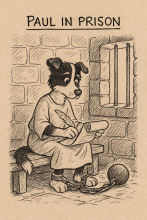
Paul’s Letters from Prison – When, Where, and Why
The Apostle Paul wrote several of his letters while imprisoned, facing hardship but filled with faith. These writings are known collectively as the 'Prison Epistles.' They were composed during his captivity under Roman authority and show his enduring joy, hope, and encouragement to the early believers.
Where and When
Paul’s imprisonments occurred mainly in two places:
• **Caesarea (circa AD 58–60)** – Paul was held for two years after being arrested in Jerusalem (Acts 21:27–33; Acts 23:23–35; Acts 24:27). This was more of a political holding period, with limited ministry activity recorded.
• **Rome (circa AD 60–62)** – Under house arrest awaiting trial before Caesar (Acts 28:16, 30–31; Philippians 1:12–13). Here he was free to receive visitors, teach, and write letters to the churches.
Journey to Rome – Key Waypoints
Paul’s road to Roman imprisonment began with his arrest in Jerusalem and a long series of hearings and journeys:
1. Arrested in Jerusalem (Acts 21:27–36)
2. Appeared before the Sanhedrin (Acts 22:30–23:11)
3. Sent to Caesarea for trial before Felix and Festus (Acts 23:23–24:27)
4. Appeals to Caesar (Acts 25:10–12)
5. Voyage to Rome and shipwreck on Malta (Acts 27:1–44)
6. Arrival in Rome and house arrest (Acts 28:16–31)
Letters Written During Imprisonment
During his Roman imprisonment, Paul wrote at least four letters that survive in the New Testament:
1. **Ephesians** – A majestic summary of the Christian faith and unity of the Church.
2. **Philippians** – A deeply personal letter of joy and gratitude written despite suffering.
3. **Colossians** – A strong affirmation of Christ’s supremacy over all creation.
4. **Philemon** – A short, compassionate appeal on behalf of Onesimus, a runaway slave.
Tone and Circumstances
Paul’s prison conditions were often harsh—cold, isolated, and uncertain. He was held in comfortable house arrest sometimes but his journey included being shackled in prisons, hulls of boats, and even shoved down dry wells overnight on the road to give the guards a rest. He endured deathly storms at sea, shipwreck, and even bitten by a snake whilst camping on a beach after surviving the wreck. Prison was not like the government sponsored holiday resorts they are today. All you could expect was the very minimum to stay alive back then. If you were lucky, family or friends could visit and support you with food, clothing, writing materials, etc. if the guards were bribed to let them in. Yet his letters reveal no bitterness. Instead, they overflow with thanksgiving, endurance, and encouragement. He frequently refers to himself as “a prisoner of Christ Jesus,” viewing his chains not as punishment but as part of God’s mission.
His courage turned confinement into ministry. The gospel spread even among the guards and officials (Philippians 1:12–13), and he even ministered to members of Caesar’s own household (Philippians 4:22). These letters demonstrate how faith can flourish under pressure.
Legacy
The Prison Epistles have strengthened countless believers throughout history. They remind us that faith is not defined by circumstance but by steadfast trust in God’s purpose. Like Paul, we can find freedom in spirit even when physically bound.
🧭 S.O.S. Reflection — Paul’s Prison Letters
S — What does it Say?
What main truths do Paul’s prison letters (Ephesians, Philippians, Colossians, Philemon) reveal about Jesus, the Church, and living by faith? Go for a deep dive into these letters!
What stands out about Paul’s attitude while in chains?
How do his words change how you see hardship, joy, and purpose?
O — How can I Obey or Apply this?
What specific instruction or attitude in these letters can I put into practice this week?
How might I show unity, humility, or forgiveness like Paul encouraged?
Is there a relationship, habit, or mindset God is prompting me to adjust?
S — Who can I Share this with?
Who around me could be encouraged by Paul’s example of joy and hope in tough circumstances?
How can I share one verse or thought from these letters in conversation, a message, or prayer?
What small act of service or kindness could make the message real to someone else?
Comments