trust

Archaeology will not “prove” every claim in the Bible — but it can test whether the writers were grounded in real places, people, and political detail. This deep-dive follows several cases where sceptics once claimed the Bible invented history, and later discoveries shifted the debate: the Hittites, the Pool of Bethesda, the Pool of Siloam, the Pilate inscription, the Tel Dan “House of David” reference, and Luke’s precision in Acts. The goal is not a quick argument, but a careful look that invites you to examine the evidence for yourself.
Is the Bible historically accurate, or has it been altered and exaggerated over time? This page examines archaeological discoveries, manuscript evidence, authorship, alleged contradictions, and scientific questions to help you carefully evaluate whether the Bible can be trusted.

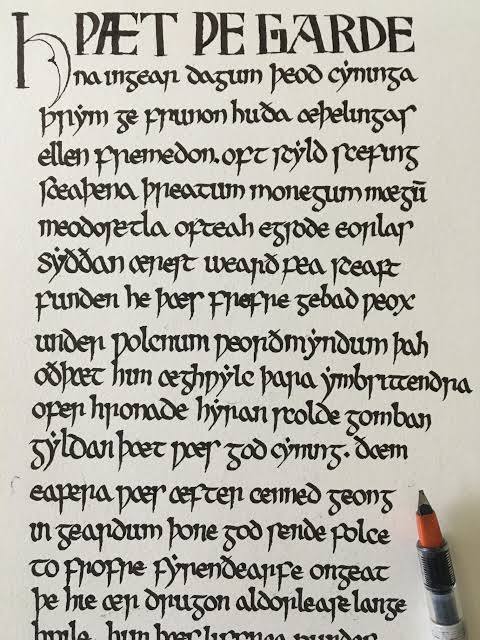
Have a look at this picture. Can you read this sentence? ... Give it a try; after all, it is only simple English. 

Ok maybe that image was too small and a bit blurred, I apologise.  Try this one instead it is much easier.  (Come back here after you have had a look at it.) 

Don’t feel too bad if you can’t get it all. This is old English, and there have been four very major changes to our language since it was last used in 1066 AD.