psalms

/* Zuko Explains mini article (Drupal-safe, inline only) */ .zx-article{font-family:system-ui,-apple-system,Segoe UI,Roboto,Helvetica,Arial,sans-serif;line-height:1.45;color:#222;max-width:780px;margin:0 auto;padding:8px 12px} .zx-title{display:flex;gap:0.6rem;align-items:center;margin:0.25rem 0 0.75rem} .zx-title .zx-dog{font-size:1.4rem} .zx-title h1{font-size:1.15rem;letter-spacing:0.2px;margin:0} .zx-intro{font-size:0.95rem;background:#f7f4ef;border:1px solid #e7e1d6;border

“Penitential” comes from penitence (repentance) - a sorrow for sin that leads to confession, forgiveness, and restoration. These psalms have been used for centuries in both Jewish and Christian communities during times of repentance, fasting, and spiritual renewal.

🕊️ What Are the Penitential Psalms?

Traditionally there are seven Penitential Psalms. They express four themes:

🐾 Hebrew term: “Alphabetic acrostic” · Hebrew alphabet: 22 letters (from ת ... א, aleph to tav).

📜 What Is an Acrostic?

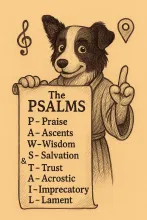
In Hebrew poetry, an acrostic poem uses the letters of the Hebrew alphabet in order to begin each line or stanza. It’s a literary form that shows order, completeness, and devotion — the poet takes all the letters from A to Z (or rather, Aleph to Tav) and weaves them into a full expression of grief, praise, or prayer.