
What Should We Do?
Making Disciple Makers Diagnostic (Acts 2:36–47)
When the crowd heard Peter preach on the Day of Pentecost, they asked a simple but powerful question:
"Brothers, what should we do?" (Acts 2:37)
Peter's answer did not produce spectators. It produced disciples.
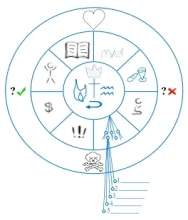
This simple diagram captures the key elements of Acts 2:36–47 and provides a practical way to evaluate both our personal discipleship and the health of our church community. The centre reminds us that Jesus is Lord. Around Him are the key initiation steps into the normal Christian life. Around that are the practices that characterised the first believers: dedication to learning God's Word, fellowship, prayer, worship, generosity, obedience, and sharing the Good News and multiplying this out with others.
The goal is not perfection in one area while neglecting the rest. Many Christians and churches naturally emphasize certain elements. Some are strong in worship but weak in outreach. Others focus heavily on teaching but neglect prayer, fellowship, or disciple making. Healthy disciples have each element of this diagram. If they have each element then they should be in balance, and seek to continually grow in all areas.
The Making Disciple Makers Diagnostic (MDMD) helps us identify strengths, weaknesses, and next steps. It works well for personal discipleship, small groups, leadership development, and even whole congregations. Used regularly, it creates meaningful conversations about spiritual growth and helps keep us aligned with the pattern of the early church.
Perhaps most importantly, this tool is designed to be passed on. At the bottom of the diagram are spaces to write the names of people you could share it with. The question is not merely, "Am I growing?" but also, "Who am I helping grow?"
As you work through the diagram, ask yourself:
- Which areas are strong in my life or church?
- Which areas need attention?
- Who are five people I could share this with?
The early believers multiplied because they lived these truths and passed them on. We can do the same.
```
Comments